
Brooklyn Sewer Root Removal Guide for Tree Root Blockages

A sewer backup rarely starts as a sudden disaster. In many Brooklyn homes, it begins with one slow drain, then a toilet that gurgles, then a basement floor drain that smells wrong after heavy rain. One of the most common hidden causes is tree roots inside the sewer line.
Tree roots do not need a wide-open crack to get in. A tiny gap at a pipe joint, a hairline fracture, or an older clay connection can let fine roots enter. Once roots find moisture and nutrients, they grow thicker. Grease, wipes, paper, and debris catch on the root mass, and the sewer line starts to choke.
Brooklyn sewer root removal is not just about clearing the blockage for today. The right service should identify where the roots are, remove them in a way that fits the pipe, and explain what can be done to keep the problem from coming back too soon.

Signs tree roots are blocking your sewer
Root blockages often look like ordinary drain problems at first. The difference is that sewer root issues usually affect more than one fixture because the obstruction is in the main line, not a single sink or tub drain.
Watch for these common warning signs:
Multiple drains run slowly at the same time
Toilets bubble or gurgle when a sink, shower, or washing machine drains
Water backs up into a tub, shower, or basement drain
Sewer odors come from floor drains or lower-level fixtures
Backups happen after rain or heavy water use
A clog clears, then returns weeks or months later
The last sign is a big one. If a drain cleaning seems to work but the same main line backs up again, roots may still be in the pipe or may have regrown. A cable can poke through a soft clog and restore flow, but it may not fully remove the root intrusion.
Older Brooklyn homes can be especially prone to this because many properties still have aging sewer laterals. Clay, cast iron, and older pipe materials can shift, crack, corrode, or separate over time. Tree roots take advantage of those weak points.
How Victor removes sewer roots
A proper root removal service starts with understanding the condition of the line. The method should match the pipe, the severity of the root growth, and the access available.
Victor typically uses two main approaches for root-related sewer blockages:
Root milling
Hydro-jetting
Both can be effective, but they do different jobs. One cuts and grinds roots mechanically. The other uses pressurized water to scour the inside of the pipe and wash debris away.
Root milling
Root milling uses a rotating cutting tool that moves through the sewer line and chews through root masses. Think of it as a controlled mechanical cleaning for roots that have grown across the inside diameter of the pipe.
This method is useful when roots are dense, woody, or tangled. A milling head can cut back heavy intrusions that a standard drain snake might only punch through.
Root milling may be recommended when:
The camera shows a thick root ball
The line is blocked or nearly blocked
Roots have grown through a pipe joint
A previous snaking did not solve the problem
The pipe can handle mechanical cutting
The key is control. The technician should use the right cutter size and avoid forcing equipment through a damaged or collapsed section. A sewer camera inspection is often the safest way to confirm that the pipe is suitable for milling.
Hydro-jetting
Hydro-jetting uses high-pressure water to clean the inside of the sewer pipe. The nozzle sprays water backward and sometimes forward, depending on the setup. This breaks apart buildup and moves loosened material downstream.
Hydro-jetting is especially helpful after roots have been cut because it can flush out fine root strands, grease, sludge, and debris left behind. It can also clean pipe walls more thoroughly than a simple cable.
Hydro-jetting may be used when:
Roots are present with grease or sludge buildup
The line has recurring soft blockages
Loose root material needs to be flushed out
The pipe is structurally sound enough for water pressure
A cleaner pipe wall is needed before another inspection
Hydro-jetting should not be treated as a one-size-fits-all fix. If the sewer line is broken, collapsed, badly offset, or severely weakened, high-pressure water can make an existing problem worse. That is why pipe condition matters.

Root milling and hydro-jetting work best in different situations
Root milling and hydro-jetting are sometimes used together, but they are not the same service. Choosing the wrong method can leave roots behind or put stress on a weak pipe.
Method | Best for | Main benefit | Main caution |
Root milling | Thick root masses and woody intrusions | Cuts roots back and opens the line | Requires care in fragile or damaged pipe |
Hydro-jetting | Sludge, grease, loose roots, and debris | Cleans and flushes the pipe walls | Not ideal for severely broken or collapsed lines |
Both methods | Recurring root blockages with buildup | Removes roots and leaves the line cleaner | Should be guided by inspection findings |
Root milling is usually the stronger choice when roots are the main obstruction. Hydro-jetting is often the better finishing step when the pipe needs a full washout.
A common sequence looks like this:
Inspect or locate the blockage
Mill or cut the root mass
Flush the line with water
Inspect again if needed
Discuss repair or prevention options
That second look matters. A line can drain after root cutting while still having a crack, offset joint, or remaining root fibers. If the pipe defect stays open, the roots have a path back in.
What happens during a root removal service
A sewer root removal appointment usually follows a clear process. The exact steps vary by property, but the goal is always the same: restore flow without guessing.
The technician finds the best access point
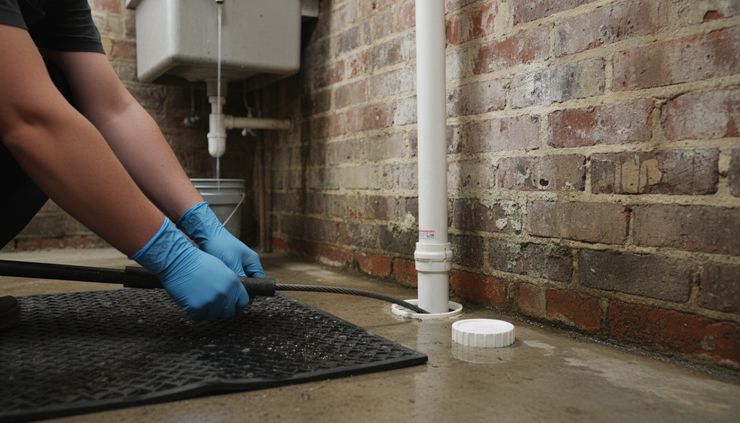
Access may come from a cleanout, basement trap, house trap, roof vent, or another approved entry point. A cleanout is usually preferred when available because it gives the equipment a more direct path into the sewer line.
Some Brooklyn properties have older plumbing layouts, tight basements, or buried cleanouts. That can affect the setup and the time required.
The line is opened and tested
If the sewer is backed up, the first task is to relieve the blockage safely. The technician may use a cable, cutter, milling tool, or other drain machine depending on the obstruction.
Once water starts moving, the line can be tested. Running water from several fixtures helps show whether the main sewer is carrying flow properly.
Roots are cut, milled, or flushed
When roots are confirmed or strongly suspected, the technician removes them with the method that fits the situation. Thick roots may need cutting or milling. Loose strands and heavy sludge may call for hydro-jetting.
A good cleaning does not mean blindly running the biggest tool available. It means using enough force to clear the line while respecting the pipe.
The pipe is checked for the cause
Root removal solves the immediate blockage, but roots entered for a reason. The opening may be a cracked pipe, a separated joint, an offset connection, or a failing section near the sidewalk or property line.
That cause is the difference between a rare clog and a recurring sewer problem.
How long root removal lasts
Root removal can last months or longer, but no honest professional can promise that roots will never return unless the pipe defect is repaired or replaced. Roots regrow because the conditions that attracted them often remain.
Several factors affect how long the line stays clear:
Size and type of pipe defect
Amount of root growth removed
Nearby tree size and root activity
Sewer pipe material and age
Soil movement and water conditions
Whether the pipe was fully cleaned after cutting
Whether repairs were made after removal
If roots entered through one small joint and the line was thoroughly cleaned, the sewer may stay clear for a while. If roots are coming through several joints or a broken section, the blockage can return much sooner.
This is why repeat main line backups should not be treated as normal. A recurring clog is a symptom. The pipe is telling you that something is still wrong.
Why tree roots keep coming back
Tree roots grow toward moisture, oxygen, and nutrients. A sewer pipe with a leak provides all three. Even a small seep at a joint can attract roots from nearby trees and shrubs.
Once roots get inside the pipe, they do not need sunlight. They can keep growing in the damp sewer environment. Over time, the fine hair-like roots become thicker. They catch toilet paper, grease, and waste, then form a blockage.
Certain conditions make repeat root problems more likely:
Older clay pipe with many joints
Cracked cast iron or deteriorated pipe walls
Separated joints from soil settlement
Offset pipe sections
Heavy street tree roots near the lateral
Poor previous repairs
Low spots where water and debris collect
Brooklyn’s dense blocks can make the problem more complicated. Sewer laterals may run under sidewalks, stoops, small front yards, or paved areas. Street trees are often close to the path of the sewer line. Repair planning may involve access, permits, and coordination depending on where the damaged section sits.
Can root removal damage the sewer pipe?
Root removal is generally safe when the pipe is in reasonable condition and the technician uses the right method. The risk rises when the pipe is already damaged.
A cutting head, milling tool, or water jet does not create most serious sewer failures on its own. More often, the tool reveals a weakness that was already there. For example, a pipe that is cracked, collapsed, or heavily corroded may not tolerate aggressive cleaning.
Warning signs of a fragile line include:
Soil or mud coming back with the cleaning equipment
Repeated blockages in the same spot
Camera footage showing missing pipe sections
Severe offsets at joints
Heavy corrosion or flaking inside the pipe
Water pooling in a belly or sag
This is where experience matters. The goal is not to force the equipment through at any cost. The goal is to restore service while avoiding unnecessary damage. If the pipe cannot be cleaned safely, repair may be the better answer.
How to prevent recurring root blockages
Prevention starts with knowing whether the pipe has a defect. If roots have entered once, they can usually enter again unless the opening is sealed, lined, repaired, or replaced.
Practical prevention steps include:
Schedule a sewer camera inspection after root removal
Keep grease, wipes, and heavy paper products out of drains
Avoid planting new trees or large shrubs directly over sewer lines
Ask about repair options for cracked or separated pipe
Keep records of where roots were found
Plan maintenance cleaning if repairs are not possible right away
Chemical root killers are sometimes discussed, but they are not a substitute for removing a blockage or repairing a damaged pipe. They may also be restricted by local rules or unsuitable for certain systems. Before using any chemical product, follow the label and ask a qualified sewer professional whether it makes sense for the line.
The strongest long-term fix is to address the entry point. Depending on the condition and location, that may mean a spot repair, pipe lining, pipe bursting, or excavation. The right choice depends on the pipe material, depth, defect type, and local requirements.

When you need a sewer camera inspection
A camera inspection is one of the most useful steps in a root blockage case. It shows what is happening inside the line instead of relying on guesswork.
A camera inspection is especially helpful when:
Roots have been found during cleaning
The same sewer backs up more than once
The blockage location is unclear
A home sale or renovation requires sewer information
There may be a break under the sidewalk or yard
Repair options need to be compared
The camera can reveal root entry points, cracks, offsets, bellies, corrosion, and debris. It can also help locate the problem from above ground, which matters if a repair is needed.
The best time for inspection is often after the line has been cleared enough for the camera to pass. If the pipe is fully blocked, the camera may not travel far enough to show the cause.
Brooklyn tree-root sewer problems homeowners should know
Brooklyn sewer lines face a specific mix of challenges. Many homes are older. Many blocks have mature trees. Some sewer laterals pass under concrete, stoops, fences, or tight front areas. Access can be limited, and pipe materials can change along the run.
That does not mean every tree near a house is a problem. Trees are valuable, and healthy street trees matter. The issue is the condition of the sewer pipe. A sound, sealed pipe gives roots no easy way in. A cracked or separated pipe invites trouble.
If a sewer line keeps backing up, clearing it again and again may become the most expensive short-term answer. Root removal is often the first step, but diagnosis is what turns a recurring emergency into a plan.
FAQ
Can tree roots completely block a sewer line?
Yes. Roots can grow thick enough to catch debris and stop normal flow. In severe cases, wastewater may back up into lower-level fixtures or basement drains.
Is hydro-jetting enough to remove tree roots?
Sometimes, but heavy roots often need cutting or milling first. Hydro-jetting works well for flushing loose roots, grease, and sludge after the main root mass has been removed.
Will roots come back after removal?
They can. If the crack, joint gap, or pipe defect remains, roots often grow back over time. Repairing or lining the damaged section gives the best long-term protection.
Do I need to replace the whole sewer line?
Not always. Some problems can be handled with a spot repair or lining. A camera inspection helps show whether the damage is isolated or spread through the line.
The takeaway on sewer root removal
Tree roots in a sewer line are more than a clog. They are a sign that the pipe has an opening roots can enter. Root milling, hydro-jetting, and camera inspection each play a role, but the best result comes from using them in the right order.
Clear the blockage first. Confirm the pipe condition next. Then decide whether maintenance, repair, lining, or replacement is the smarter long-term move. That approach protects the home, reduces surprise backups, and turns a messy sewer problem into a manageable plan.

Comments